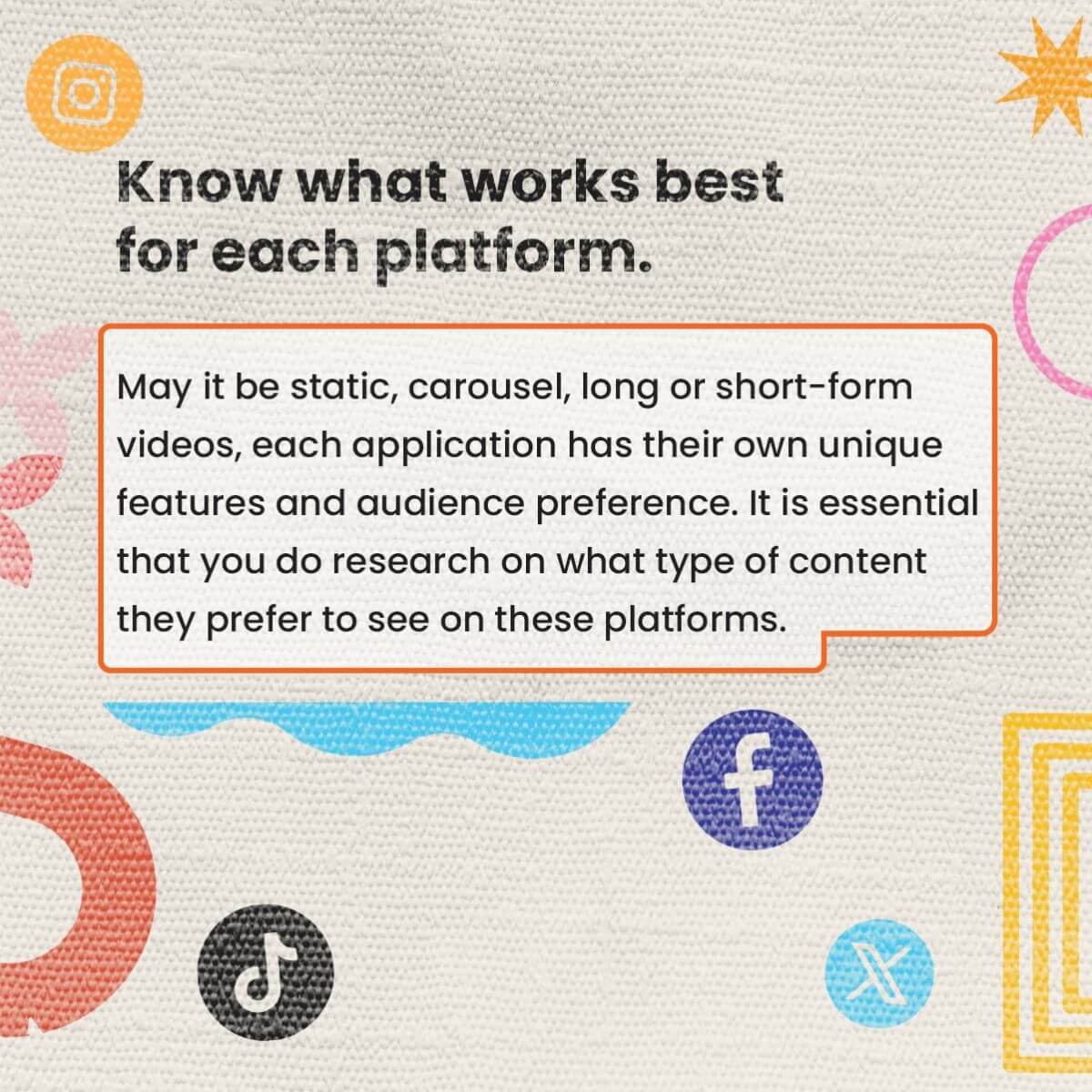
Overview
- This article explains how to determine if you are using the right social media platform for your marketing goals by focusing on real business outcomes rather than surface metrics.
- It outlines signs of strong platform fit, warning indicators of poor alignment, and key questions for evaluating performance.
- The goal is to help brands improve results through better channel selection and strategy refinement.
Many brands stay active on Facebook, Instagram, LinkedIn, or TikTok just to maintain presence, but consistent posting does not always lead to quality leads, inquiries, or business growth.
This is why it is important to ask: are you using the right social media platform for your marketing goals? For scaling startups and growing businesses, every effort should directly support clear outcomes rather than just activity.
This article outlines how to evaluate your current platforms, identify performance gaps, and determine whether to refine your strategy or shift focus to more effective channels.
Signs You Are Using the Right Platform
A good platform fit is identified through consistent patterns, not a single strong post. One-off performance can be misleading, so long-term results matter more.
Audience Response Aligns With Your Goals
A strong platform fit is reflected in audience actions that match your objectives. For awareness, this includes reach, shares, and profile visits from your target market. For lead generation, look for inquiries, form submissions, booked calls, or qualified direct messages.
Content Feels Natural and Sustainable
The platform should make content creation manageable for your team. Posts should feel aligned with the channel without forcing trends or messaging. Over time, performance should show steady growth rather than irregular spikes.
You Attract the Right Audience
Beyond likes and views, quality matters more. The right platform brings in people who are likely to engage further—whether that means buying, inquiring, or visiting your website. This alignment has a direct impact on real business results.
What Real Traction Should Look Like
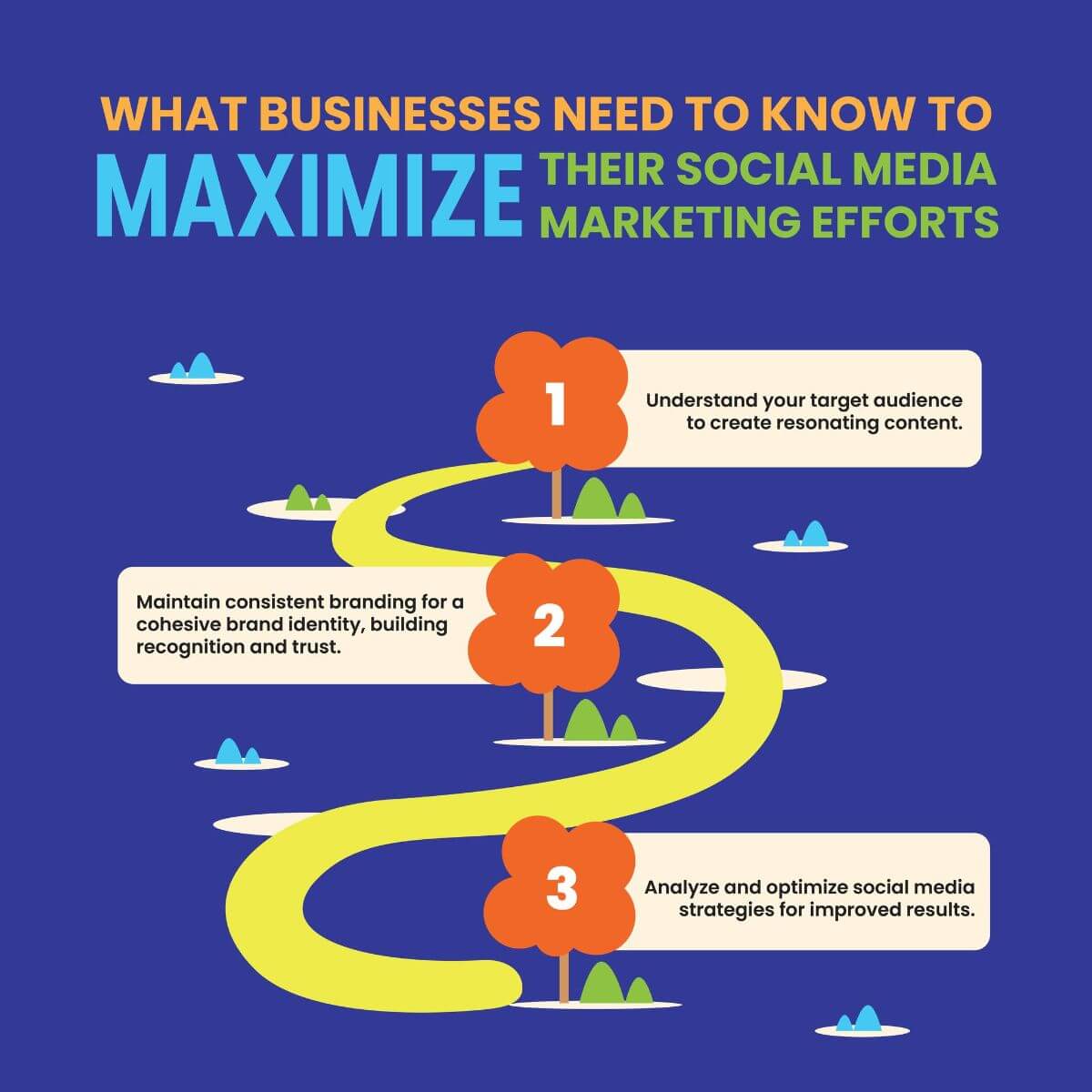
Traction should not be measured by impressions alone. A platform adds real value when it drives actions such as website visits, inquiries, repeat engagement, or qualified leads. Results should also match campaign goals.
Awareness Stage
- Increased reach within target demographics
- More profile visits and brand discovery
- Higher content sharing rates from relevant users
- Gradual growth in brand recall and recognition
Consideration Stage
- More link clicks, content saves, and return visits
- Inbound inquiries, messages, or quote requests
- Longer engagement with educational or comparison content
- Website activity from users already exposed to the brand
When performance improves in a way that matches your goal, the platform is giving you useful traction. When the numbers look active but remain disconnected from meaningful action, it is usually a sign that the channel, content, or targeting needs a closer review.
Signs the Platform May Be Wrong for Your Brand
If a platform is not delivering the right kind of results, the signs usually show up early. Or at least, they start to become noticeable after a while. It can still look active on the surface, but over time, the gap between effort and actual business impact gets harder to ignore.
Limited Business Impact Despite Consistent Activity
A platform may not be the right fit if your brand keeps investing time and budget but sees little movement in the outcomes that matter. You may be posting consistently and getting surface-level engagement, yet still not seeing qualified traffic, inquiries, consultations, or real sales conversations.
In that case, the platform may be creating activity, but not real business impact. And that difference matters more than it seems.
Audience Mismatch
If most of your engagement comes from casual viewers, students, competitors, or people outside your service area, the platform may be giving you visibility without real commercial value.
This often happens when brands choose a channel because it is popular, not because their buyers actually use it to research, compare, or inquire. It is an easy trap to fall into.
Weak Content Fit and Performance
Another warning sign is when your content consistently feels slightly out of place. If your team struggles to create posts that fit the channel, or if the platform rewards a content style that does not match your brand, performance can stay weak even with regular effort.
At that point, the issue may not be discipline. It may be the platform fit. Or at least, that is where it is worth looking next.
Questions to Ask When Reviewing Performance
Evaluating a platform goes beyond engagement metrics. Real performance is better understood through actual business outcomes, not surface-level numbers alone.
Audience and Outcome Alignment
Start by checking whether the platform is reaching the right audience and driving meaningful actions. This includes website visits, inquiries, content saves, bookings, or repeat engagement.
The key question is not just visibility, but whether the right users are moving closer to conversion. This is often missed when focusing only on likes, shares, or impressions.
Operational Fit
Next, assess whether the platform is practical for your team to maintain. Consider if you can consistently produce content for it, whether the format suits your offering, and if it supports your workflow without adding unnecessary strain.
These checks help clarify whether performance issues come from execution gaps or from choosing a platform that is not the right fit in the first place.
When to Improve and When to Shift
Weak performance does not always mean the platform is the issue. It often stems from inconsistent posting, unclear messaging, weak creatives, or poor targeting. Before making changes, ensure the strategy has properly tested the channel.
If execution is already consistent and results still fall short, it may be time to reallocate effort. Continuing the same approach rarely improves outcomes.
In many cases, better results come from focusing on fewer, high-performing platforms rather than spreading efforts too thin across multiple channels.
Review Your Social Media Direction with Sigil
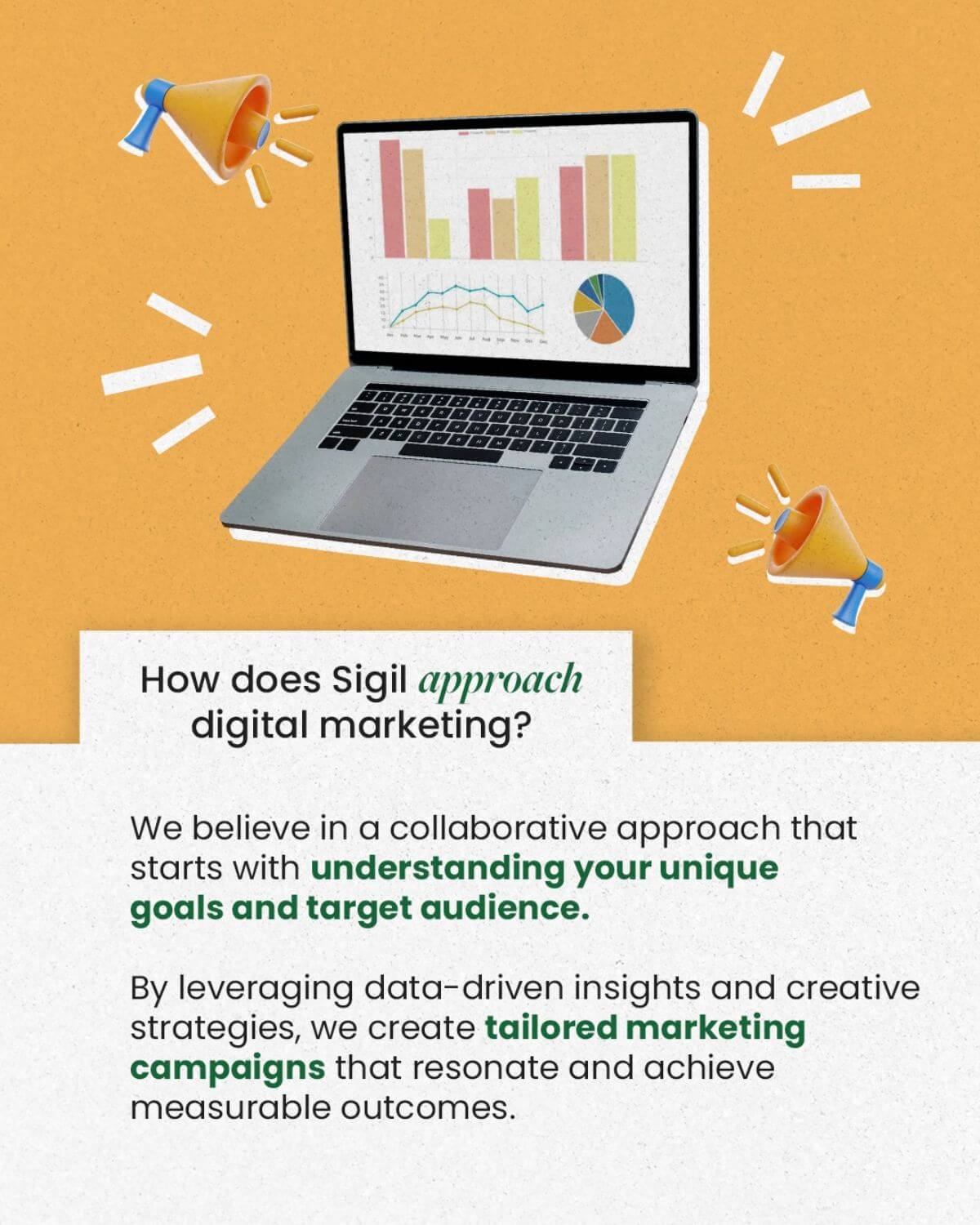
At Sigil, we help brands assess whether their current channels are truly driving growth. Our focus goes beyond surface-level engagement to key indicators such as audience quality, traction, lead flow, and conversion potential.
If your brand needs clearer direction, our social media marketing team can help evaluate performance and define the next steps with greater clarity.
We also support businesses in strengthening their digital marketing for social media strategy, ensuring platform decisions are aligned with measurable business outcomes rather than assumptions.
For brands that rely on visual storytelling, refining their visual content strategy can further improve performance across the platforms that matter most.
Key Takeaway
If you are asking, “Are you using the right social media platform for your marketing goals?”, the answer should come from performance patterns that show real progress. The right platform should help your brand attract the right audience, build meaningful traction, and move people toward action.
When the numbers are active, but the outcomes remain weak, it may be time to reassess. Contact us today to evaluate your current channels and build a social media approach that supports your business goals more effectively.