What are the key factors to consider when choosing a social media platform for your brand?
- Know where your target audience spends time
- Match the platform to your content type
- Consider your time and budget
- Study your competitors strategically
- Test before making a long-term commitment
Overview
- Choosing the right social media platform for brand growth depends on audience behavior, content fit, resources, competitor activity, and performance data.
- In the Philippines, where social media use is highly active, brands must prioritize strategy over presence.
- Aligning platforms with goals, testing performance, and focusing efforts improves engagement, efficiency, and long-term business results.
The factors to consider when choosing a social media platform for brand growth go beyond simply being visible online. Key factors include audience behavior, content fit, available resources, competitor activity, and long-term performance. Focusing on too many platforms often leads to scattered efforts and weaker results.
In the Philippines, where social media use is highly active, with around 78% of the population engaged online in 2025, strategy becomes more important than presence. Instead of being everywhere, brands should prioritize platforms that best reach their target audience and convert attention into business value based on how users discover and engage with content.
Know Where Your Target Audience Spends Time
The first factor to consider is your audience. If your target customers are not active on a platform, maintaining a presence there is unlikely to support growth.
Understanding your audience means identifying where they consume content, engage with brands, and make purchase decisions. This can be done through customer surveys, platform insights, and existing analytics. Reviewing which channels already drive traffic, inquiries, or engagement can also help determine where to focus efforts.
For example, brands targeting younger audiences often perform better on Instagram and TikTok, where short-form and visual content thrive. In contrast, businesses targeting corporate decision-makers may see stronger results on LinkedIn or Facebook, where professional discussions and community engagement are more common.
The goal is not to follow trends, but to prioritize platforms where your audience is most active and responsive. In some cases, influencer marketing can also help identify which channels generate the strongest audience engagement.
Match the Platform to Your Content Type
Different platforms are designed for different types of content. One of the most important steps in platform selection is making sure your brand’s strengths align with the content style each channel rewards.
- Instagram is ideal for visual storytelling using curated images, reels, and short videos. It works especially well for brands that use corporate photography to strengthen their online presence.
- TikTok focuses on fast-paced, trend-driven, and entertaining content. Instagram Reels also supports strong short-form video performance. Brands investing in video content in digital marketing can also extend their reach through YouTube.
- LinkedIn is best for professional insights, thought leadership, and educational content. YouTube works well for long-form videos such as tutorials and product explainers. Pinterest supports inspiration-based and discovery-focused content.
When content matches the platform, it becomes easier to stay consistent and improve results. This is where actionable content creation helps each channel perform more effectively.
Before choosing a platform, it is also important to assess what your team can realistically produce at a high quality. This helps ensure your efforts are focused on platforms where you can execute well and achieve better results.
Consider Your Time and Budget
Another key factor in selecting social media platforms is your available resources. Effective social media management goes beyond posting content; it includes planning, publishing, engagement, community management, and performance tracking.
If your team is limited, it is more effective to focus on one or two platforms rather than spreading efforts too thin across multiple channels. This helps maintain consistency, improve content quality, and build stronger audience relationships.
Budget is also critical, as both content creation and paid promotions influence results. Considering production, management, and advertising costs ensures a more sustainable strategy that aligns with your brand’s capacity and long-term goals.
Study Your Competitors Strategically
Competitor analysis helps guide platform decisions, but should not be copied directly. It shows which channels competitors use, how often they post, and the level of engagement they receive. This provides insight into where your industry is active and what audiences already expect.
However, being present on the same platform does not automatically mean it is the best choice for your brand. The better question is whether your business can compete effectively in that space or offer something more distinct.
Instead of duplicating another brand’s strategy, use competitor activity to identify opportunities. You may find that one platform is overcrowded, while another offers more room for your brand to stand out and connect with the right audience.
Test Before Making a Long-Term Commitment
Choosing a social media platform should not rely on assumptions alone. Testing a small number of channels first can help you make more confident decisions based on real performance.
Start by choosing two to three platforms that match your audience, content strengths, and resources. Post consistently for several weeks, then track performance using clear metrics like website clicks, inquiries, comments, shares, and saves. Compare results to identify which channels best support your goals.
This trial period allows your brand to validate its strategy before fully committing more time and budget. It also helps you identify which platforms deserve long-term attention and which ones may not be worth maintaining.
Build a Stronger Social Media Strategy with Sigil
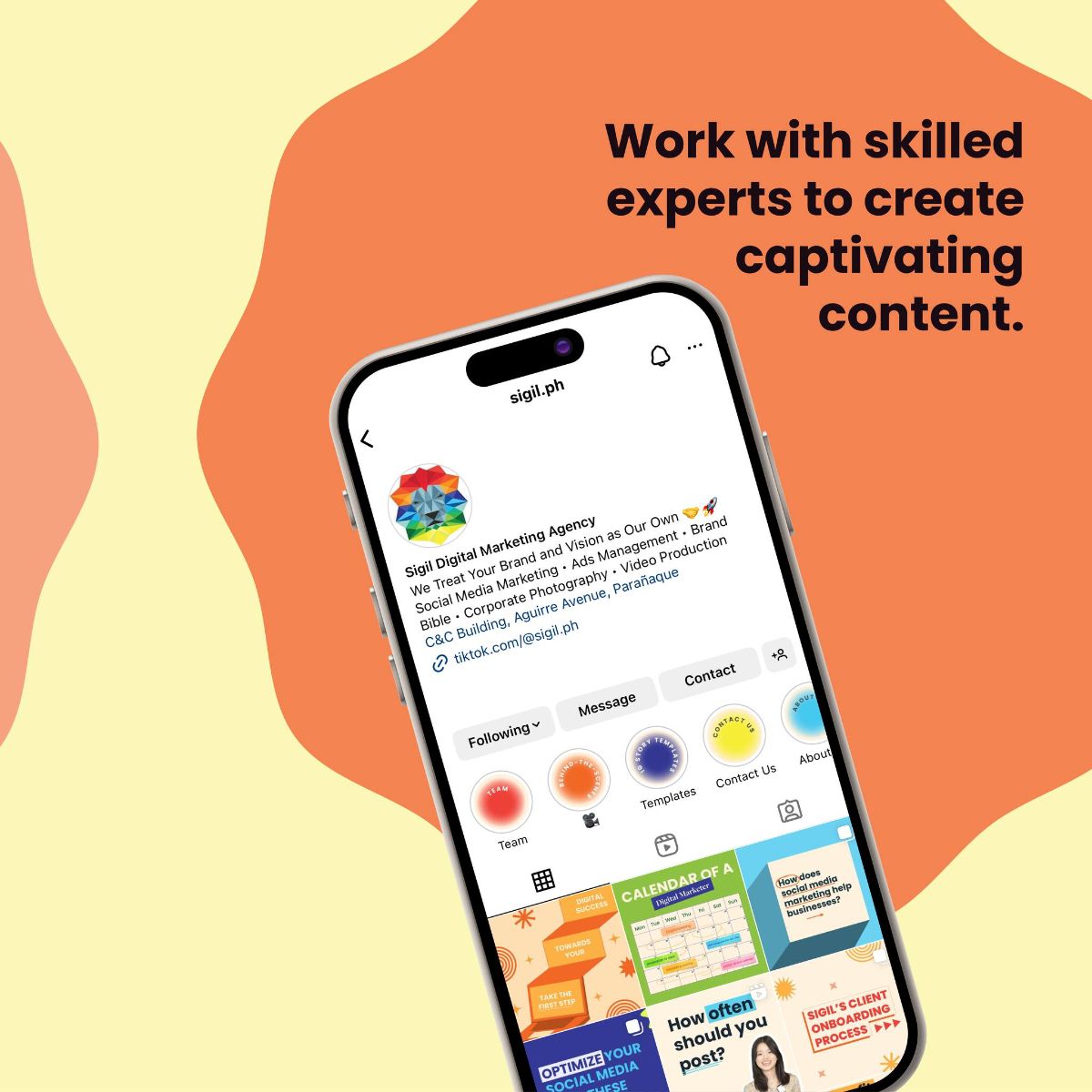
At Sigil, we help brands develop focused and effective digital strategies. As a trusted social media marketing agency in the Philippines, we guide businesses in selecting the right platforms, creating relevant content, and building campaigns that support long-term growth.
Our team also works as a digital creative agency that helps brands align strategy, content, and execution across the right platforms.
Whether you are refining your current approach or starting from scratch, our team can help you create a strategy that makes the most of your time, budget, and audience opportunities.
Key Takeaway
The key factors to consider when choosing a social media platform for your brand include your target audience, content capabilities, available resources, competitor activity, and performance data. By evaluating each of these carefully, businesses can avoid spreading themselves too thin and instead focus on the channels that truly support growth.
With the right strategy, social media becomes a more effective tool for brand visibility, engagement, and conversion. Contact us today to build a social media approach that fits your brand and drives measurable results.