Overview
- Securing a first SMM (social media marketing) client requires strategy, preparation, and credibility.
- Startups should leverage their network, encourage referrals, build a strong portfolio, and maintain an active social media presence.
- Engaging peers, collaborating with professionals, refining skills, and presenting clear service packages increase the likelihood of landing initial clients and establishing a solid foundation.
Agencies often struggle with how to get their first SMM (social media marketing) client due to intense competition, limited portfolios, and low visibility. Without proven results or a strong online presence, startups find it challenging to attract prospects and generate consistent leads. Establishing credibility and a clear client acquisition strategy is crucial to overcoming these early hurdles.
Statistics show that 68% of marketing agencies secure new clients through social media, while 55% rely on referrals and 42% on tech collaborations.
This article will guide you through strategies to land that first deal.
Leverage Your Network

Start by reaching out to people who already trust you, providing an immediate starting point. Consider friends or former colleagues, as they are familiar with your capabilities and can be the first to refer to your services or hire you.
Utilize Word-of-Mouth Method
Encourage your network to share information about your services, as referrals remain one of the most cost-effective ways for startups to build credibility. Recommendations from trusted sources increase the likelihood of attracting potential clients.
Reach out to family and friends, and consider posting on personal social media profiles to highlight your skills and achievements. Sharing positive results and success stories online can generate interest and engagement from prospective clients.
Build Your Portfolio
A portfolio gives potential clients a tangible view of your abilities, so make sure you create one. Even if you haven’t worked for a paying brand, showing results from your personal projects is a strong way to demonstrate your competence.
Create a Portfolio
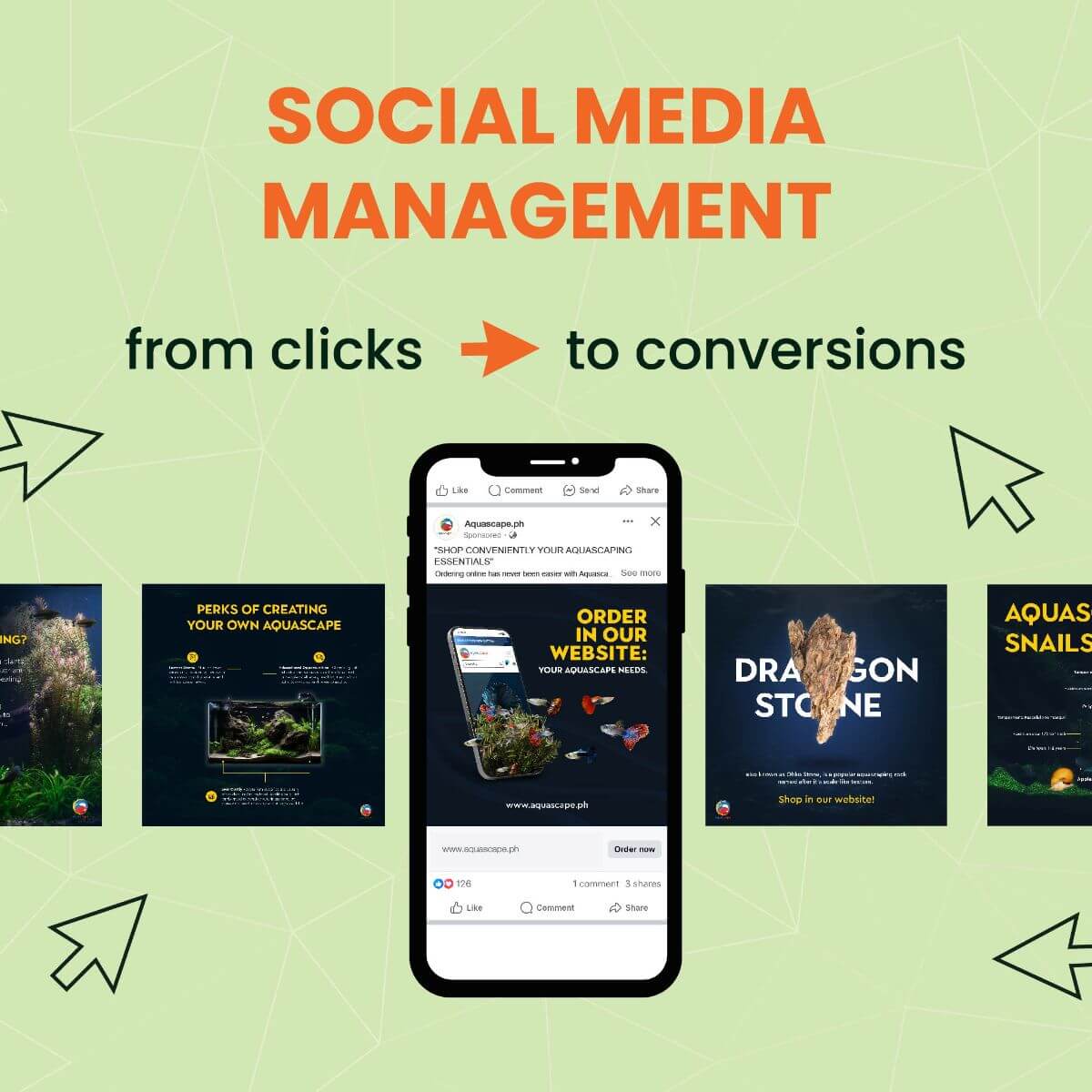
Compile past projects or design sample campaigns tailored to real or hypothetical businesses. A strong portfolio demonstrates your capabilities and understanding of different industries. If you give brands a clear picture of your work, they can easily visualize the kind of results you can deliver.
First impressions matter, especially for starting freelancers. Instead of bland posts, present your offerings in a polished format to leave a lasting mark of professionalism.
You can include the following in your portfolio:
- Past ad campaigns
- Curated social media posts
- Case studies for industries
- Visual mock-ups
Develop a Social Media Presence
Post the right content at the right time, and on the right platform. A strong presence isn’t only about posting frequently; it’s about posting with intent. When your own page demonstrates value and relevance, decision-makers are far more likely to see you as a capable partner for their campaigns.
At Sigil, we help startups identify the right platforms and craft strategies tailored to their market. Below are key details you can follow to develop a social media presence.
| Platform | Primary Audience | Relevant Social Media Content |
|---|---|---|
| Millennials, Gen X, Boomers | Informative and Customer Service-centric content | |
| Gen Z and Millennials | Product-Centric Content | |
| TikTok | Gen Z, Gen Alpha, Millennials | User Generated Content, Trend-Driven Formats |
| B2B, Business Professionals, Recruiters | Thought Leadership Posts and Informative, Industry-Relevant Content |
Engage and Network

Active interaction with your peers and potential clients strengthens your credibility. Commenting on industry-related posts and sharing knowledge increases your visibility and opens doors to partnership opportunities.
Join Online Communities
Engage in groups where decision-makers interact. Platforms such as LinkedIn and Facebook offer dedicated forums that connect you with individuals seeking your services.
Answer questions and provide valuable insights to showcase your expertise naturally and authentically. Over time, this approach helps build relationships with peers and increases the likelihood of inquiries from potential clients.
Collaborate with Other Professionals
Partner with web designers, PR agencies, or copywriters. Some of these professionals serve the same industries as you. With a job well done on your part, they’re more likely to recommend your services to clients who need them.
Collaboration allows you to showcase your skills and expand your network. Start small by offering support on campaigns or creating content for other professionals. These joint projects provide proof of your ability to deliver results, which matters in approaching your first official brand partnership.
Refine Your Skills and Processes
Constant improvement is the key to attracting more clients, so always strive to expand your skillset. Stay updated with platform changes and content trends to continue delivering high-quality outputs.
Master Your Pitch
Clients can’t trust you if you doubt your own abilities, so know how to communicate your value with confidence. Explain not only what services you offer, but also how your work directly addresses their challenges.
Practice tailoring your pitch to different industries or business sizes. Do your research on your brand partner’s demands or gaps in their industry, then utilize that knowledge to propose impactful campaign strategies. By demonstrating your understanding of their needs, you increase your chances of securing your first brand deal.
Have an Offer Ready
Lastly, prepare a well-defined service package. Determine clear deliverables, timelines, and rates to help prospects understand what they get from your services. This effectively reduces their doubts throughout the decision-making process.
For startups, it’s best to design offers you can confidently fulfill. While adaptability is a strong quality, it’s just as important not to overpromise. Offer realistic, flexible packages to minimize perceived risks for you and your clients.
Key Takeaway
Strategy, preparation, and persistence: these elements are all crucial in acquiring your first partnership. From using your network to improving your skillset, every step is key to demonstrating your credibility.
If you’re wondering how to get your first SMM client, it’s best to rely on the insights of established professionals. Sigil has the expertise to guide you towards securing your first contract. Reach out to us today to learn how we can help you start strong in your SMM career.