Why is choosing the right platform important for social media marketing strategies?
- Audience alignment and demographics
- Algorithm and format specificity
- Two-way interaction and community building
- Precision targeting and paid advertising
- Data and analytics integration
Overview
- Choosing the right social media platform means aligning audience demographics, content formats, and business objectives across channels like Facebook, TikTok, LinkedIn, Instagram, and YouTube.
- A strategic, data-informed approach helps businesses maximize engagement, build loyal communities, and achieve measurable growth with expert guidance from digital marketing partners like Sigil.
Social media gives businesses new ways to introduce their brands and connect with potential customers. However, choosing the right channel can be challenging because Facebook, TikTok, LinkedIn, Instagram, and YouTube each serve different purposes.
A well-planned social media marketing strategy helps you focus your efforts on platforms that suit your audience and business objectives.
Understanding what makes a platform important to social media marketing strategies helps you decide where to invest your time and resources. The right channel can strengthen brand awareness and create opportunities for meaningful engagement.
In this article, we explore the main factors to consider when choosing a platform and explain how each one can support your marketing goals.
Audience Alignment and Demographics
Facebook connects brands with a broad consumer base, making it a primary channel for discovery and community engagement in the Philippines.
Meta data from late 2025 reports 95.8 million Facebook users in the country, reaching 81.9% of the total population and 97.7% of local internet users. With Filipino users spending an average of one hour and 31 minutes daily on the platform, brands have strong opportunities to maintain visibility through community-focused content, groups, Messenger, and location-based promotions.
While the adult audience remains evenly split, 52.0% female and 47.4% male, brands should still evaluate age, location, and buying behavior before committing resources.
Choose Facebook to build active online communities, drive website traffic, and engage local consumers through targeted posts and campaigns.
Algorithm and Format Specificity
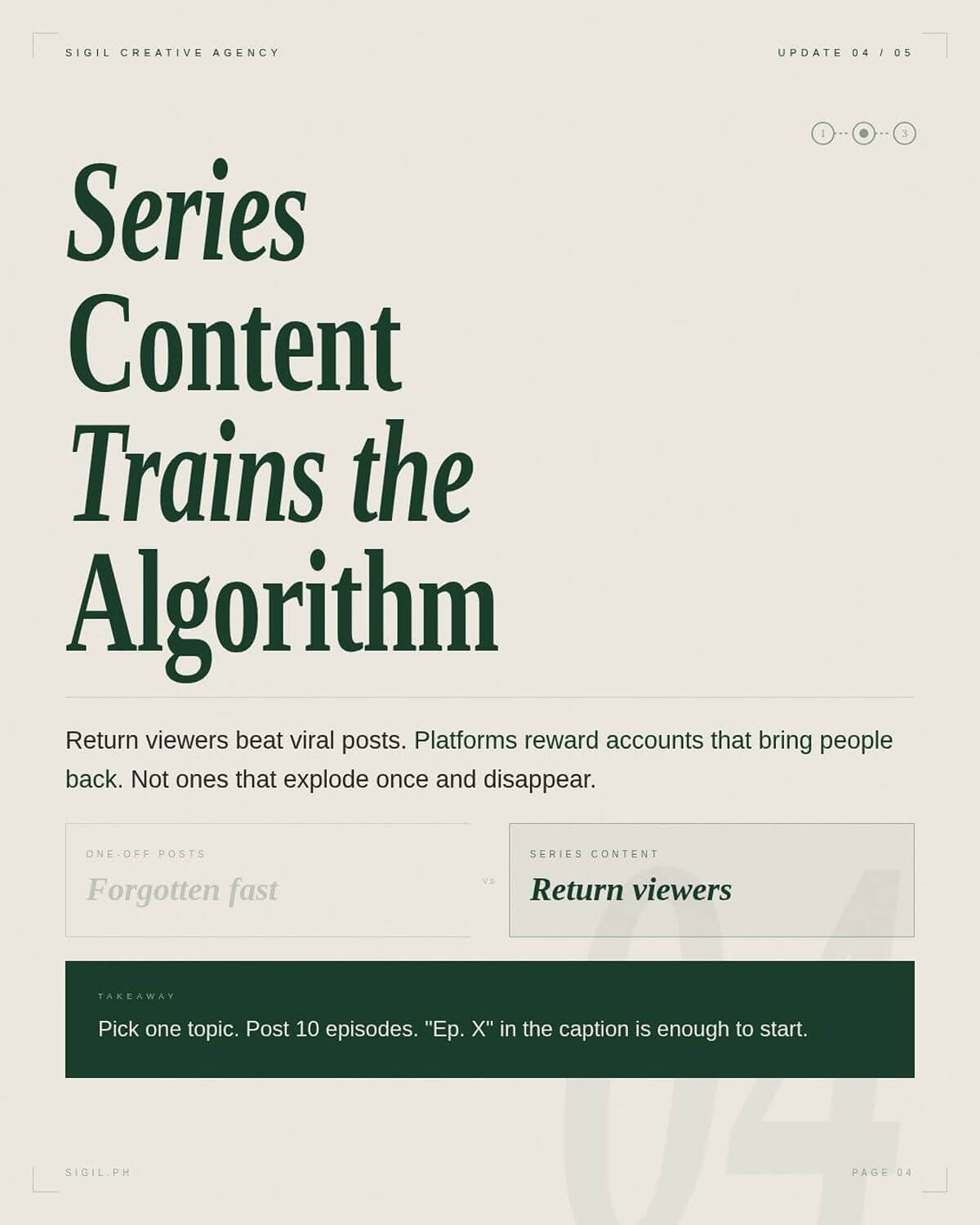
TikTok gives brands opportunities to reach new audiences through short-form video. Its recommendation system can introduce content to people who do not already follow an account. Creative storytelling and relatable videos can help businesses capture attention, but copying every trend may not support your brand identity or goals.
Choose TikTok if you want to build awareness through short videos or connect with audiences who enjoy trend-driven content. Your videos should reflect your brand’s personality and give viewers a reason to keep watching. TikTok for Business provides a Creative Center where marketers can explore popular trends and creative examples.
As social platforms and audience expectations evolve, businesses need to review their approach instead of relying on outdated practices. Sigil discusses this in its article on changes in social media marketing and how businesses can adapt.
Two-Way Interaction and Community Building
LinkedIn helps businesses build professional relationships and establish credibility in their industries. Brands can share expert insights or discuss common business challenges to encourage conversations with potential clients and industry peers. These interactions can help decision-makers understand a company’s expertise and approach.
Choose LinkedIn if you want to generate B2B leads or establish your executives as thought leaders. It can also help businesses connect with potential employees and strengthen their employer brand. LinkedIn’s B2B marketing resources offer guidance on reaching professional audiences.
Building a community takes more than publishing posts. Brands also need to give people reasons to respond, share their perspectives, and stay connected. For a closer look, Sigil’s guide outlines the core elements of successful social media marketing.
Precision Targeting and Paid Advertising
Instagram combines visual storytelling with advertising options that help businesses reach relevant audiences. Reels and Stories can introduce products to potential customers, while feed posts help brands maintain a consistent visual identity. Paid campaigns can support specific objectives, from increasing awareness to encouraging purchases.
Choose Instagram if your products or services benefit from strong visual presentation. Your team should also have the resources to create engaging photos and videos consistently. Before launching a campaign, define the audience you want to reach and the action you want people to take. Meta’s advertising guide explains its advertising tools and campaign options.
Paid campaigns work best when they support a broader marketing objective rather than operate in isolation. Social media can support a brand’s broader marketing efforts, as discussed in the benefits of social media marketing for your brand.
Data and Analytics Integration
YouTube can support content strategies built around tutorials and product demonstrations. Educational videos may continue attracting viewers through search and recommendations after publication. YouTube Analytics helps marketers evaluate performance through metrics such as views and audience retention. Google’s YouTube Analytics documentation explains how to review channel and video results.
Choose YouTube if your audience needs detailed explanations or visual demonstrations before making a decision. Review your analytics regularly to understand which videos attract viewers and hold their attention. You should also measure results against your campaign objectives. Reach can indicate awareness, while engagement can show how people respond to your content.
You can apply the same data-informed approach to other platforms. For example, Sociality.io’s Facebook analytics guide explains how businesses can review Facebook performance. Once you identify what resonates with your audience, use those insights to shape future posts. Planning social media content can help you turn those findings into a more organized publishing schedule.
How Sigil Helps Brands Build Purpose-Driven Social Media Strategies
The most suitable platform depends on your audience, brand identity, and marketing goals. Whether you want to build a community on Facebook or share educational videos on YouTube, your channel choices should support your broader business objectives.
At Sigil, we take a purpose-driven, consultative approach to social media marketing. Our team works with you to understand your brand and identify opportunities that align with your needs. Explore Sigil’s services to see how we can help you connect creative direction with meaningful business outcomes.
Key Takeaway
What makes a platform important to social media marketing strategies is how well it connects your brand with its intended audience and supports your business goals. By choosing channels that suit your customers and content, you can strengthen brand awareness and use your marketing resources more effectively.
At Sigil, we help businesses develop purpose-driven digital marketing strategies that connect creative ideas to business outcomes. Contact us today to explore how our team can help you choose the right channels for your brand.